Save Your Managers From the Most Addictive Drug in Business: Firefighting
by Kevin Earnest | on November 4, 2026
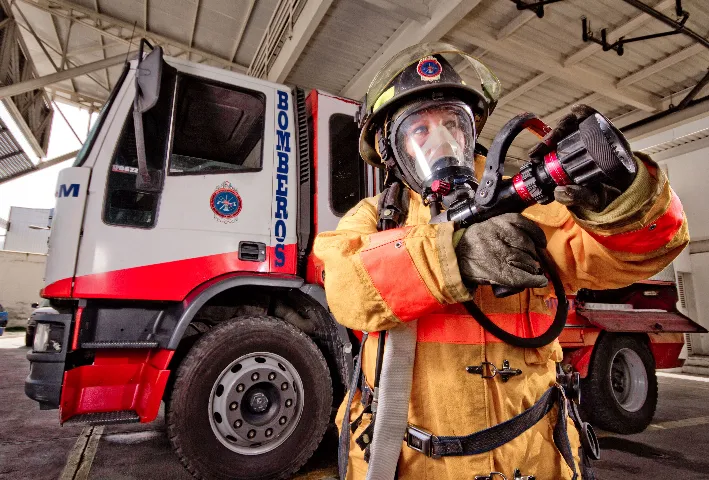
The phone buzzes. A shipment is stuck. A customer is furious. A line just went down.
The manager drops everything, makes three calls, pulls two people off their work, and has it fixed before lunch. Everyone exhales. Somebody says, "Thank goodness for Dana."
That feeling is the hit.
Firefighting delivers instant relief, visible effort, and public gratitude. Planning delivers nothing you can see. Nobody throws a party for the crisis that never happened.
That is exactly why so many managers get hooked. And why so many organizations keep supplying the drug.
The high is real. So is the crash.
Firefighting feels productive. It is not. Here is what every hit actually costs:
- The manager's real work stops. Every hour spent on a fire is an hour not spent on the work only that manager can do.
- Employees learn to wait. Why solve it yourself when the boss will swoop in?
- The same fires come back. Fixing the symptom fast means nobody touches the cause.
- Everyone burns out. Constant urgency is exhausting, and your best people leave first.
I see it everywhere. The plant manager who personally reruns every bad batch. The clinic director who rebuilds the provider schedule every single morning. The engineering manager patching production at midnight while the real defect sits untouched in the backlog. Different industries. Same addiction.
What gets rewarded gets repeated
Here is where it goes from a bad habit to a bad culture.
When the organization celebrates the hero, it trains everyone to wait for a fire. Promotions go to the people with the best war stories. Meanwhile, the quiet manager whose team never seems to have a crisis looks like they are not doing much.
Keep rewarding that and you get more of it. Urgency becomes the culture. Planning becomes optional. Risk stays invisible until it explodes. Reward firefighting long enough and you will start to notice fires that look suspiciously convenient.
You are not building a high performing organization. You are building a fire department with nothing to protect.
No system lets you off the hook
Here is the hard truth for every manager reading this. Your organization's reward system might be broken. That does not change your accountability.
You are accountable for your employees, their work, and their results. You decide whether to grab the hose or coach. You decide whether your team plans for risk or waits for the alarm. You decide whether you spend your week on today's problem or on the work your role actually exists to do.
The system can make the right choice harder. It cannot make it for you. A manager who blames the culture for their own firefighting is still choosing the hit.
Jaques explained why this happens
Elliott Jaques gave us a better way to see managerial work. In his model, every role has a time span of discretion: the longest task the role is accountable for completing.
- Front line roles work out to about three months.
- First line manager roles work out three months to a year.
- The next level works out one to two years.
- The level above that works out two to five years.
The ladder keeps climbing from there, up to eight levels in the largest organizations.
Each level exists to add value the level below cannot. The higher the role, the further out it requires the manager to see: anticipating problems, sequencing work, removing obstacles before the team ever hits them.
Firefighting collapses every manager into the same time horizon. Today.
A manager accountable for a two year horizon who spends the week on a two month problem is not adding value. They are doing someone else's work while their own work goes undone. Nobody is looking down the road, so the next fire is already on its way.
And there is a second cost. Jaques' work on human capability makes the case that people bring real problem solving capability to their roles. When the manager grabs the problem, that capability sits on the bench. The employee never stretches, never grows, and never becomes the person who could have handled it.
Reward the fire that never started
The preferred path is not complicated. It is just less exciting. Reward planning with risk analysis.
Managers at all levels should:
- Ask "what could go wrong?" before every launch, project, or change. Name each risk, its likelihood, its impact, who owns it, and the response.
- Make risk analysis part of how managers are evaluated. Recognize managers who perform thorough risk analysis and create contingency plans.
- Tell prevention stories, not just rescue stories. Say out loud what did not happen and why.
- Track repeat fires. If the same fire happens twice, it is not bad luck. It is a planning problem.
When prevention gets the spotlight, managers start working at the level their role actually requires.
Now bring it down to your own team. Four practices make the difference.
Define expectations: judgment comes first
A lot of fires land on the manager's desk because nobody said whose job it is to put them out.
Fix that in the role itself. When the manager and the team member describe what success looks like, write this expectation in: when a problem comes up, use your judgment and attempt to solve it before you notify me.
Spell out what that means for the employee:
- Own the first move. Gather the facts, figure out what happened, and try a fix within your authority.
- Know your limits. Know which decisions you can make on your own and which ones need the manager.
- Notify with a recommendation. When you bring it forward, bring what you tried and what you suggest next.
- Escalate fast when it matters. Safety, a major customer, or legal exposure goes to the manager right away. Good judgment includes knowing when not to wait.
Once the team member agrees to be responsible, that agreement is what the two of them keep talking about. It tells the employee, "This one is yours to solve." And it tells the manager to stop grabbing the hose.
When an employee does bring you a fire, resist the urge to grab the hose.
Coach in real time, not after the smoke clears
Structured one on one meetings matter. They are where the manager and team member identify opportunities and talk through challenges before they turn into emergencies. But the most powerful coaching moment is the one happening right now, while the problem is still live.
When the fire arrives, coach them through it on the spot:
- What happened?
- What have you already tried?
- What options do you see?
- What do you recommend?
- What do you need from me?
Let them solve it if possible. Listen, observe, and ask before you suggest. Take over only if necessary. Debrief afterward: what worked, what you would do differently, and what would have prevented it in the first place.
This is where Jaques' levels pay off. You sit one level up because your role requires seeing further out. Real time coaching is how you share that wider view, so the employee learns to spot what you already see.
You are still accountable for that employee, their work, and their results. Real time coaching is how you meet that accountability without doing the work for them. Every problem they solve on their own is one less fire that reaches you next time.
Recognize the people who prevent problems
Prevention is invisible unless someone makes it visible. That is the manager's job.
- Catch it and name it. "You flagged that supplier delay two weeks early. That saved us a missed shipment." Specific beats generic every time.
- Recognize it where people can see it. Team meetings, project reviews, performance reviews. Show everyone what good looks like.
- Recognize the attempt, not just the win. An employee who used sound judgment and tried a reasonable fix deserves credit, even when the problem needed help to finish.
- Stop applauding the rescue of a preventable fire. Thank people for the effort, then ask what would have stopped it.
What you recognize, people repeat.
Develop people to see around corners
The long game is coaching people to think more fully about situations and the risks inside them before they act. Managers cannot rush a person's capability. It matures on its own timeline. But managers can help people use all of it:
- Ask the forward questions. What could go wrong here? What happens next week if this slips? Who else does this affect?
- Make risk thinking routine. Before a task, a change, or a handoff, have the employee name the top risks and their plan for each.
- Stretch, but not too far. Give people work that asks them to look a little further out than they do today, matched to their current capability. Stretch too far and you get stress, not growth.
- Turn every fire into a lesson. Once it is out, trace it back to the cause and ask what early signal could have been seen.
Jaques would recognize this immediately. You are helping people apply more of the capability they already bring, and preparing them for roles with a longer time span.
Withdrawal is part of the cure
Breaking the habit will feel uncomfortable. For a few weeks, fewer people will need you. You will feel less important.
That is the point.
A manager's value is not measured by how many fires they put out. It is measured by how few start, and by how many people on the team can handle the ones that do.
What is one fire your organization keeps putting out that should have been prevented months ago?